1 min read
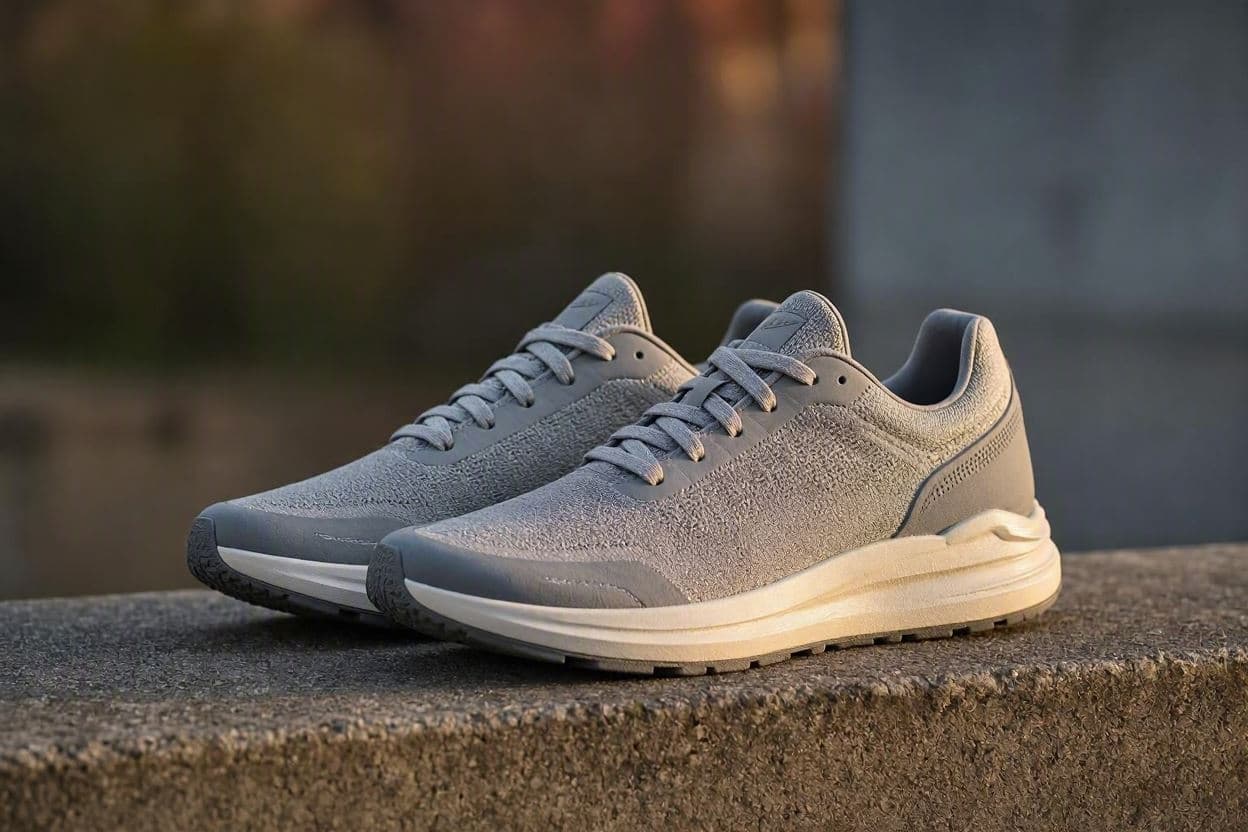
Every construction breakdown on this site mentions the same three layers: upper, midsole, outsole. It's worth being specific about what each one is actually for, because the terms get used loosely enough elsewhere that they've started to mean nothing.
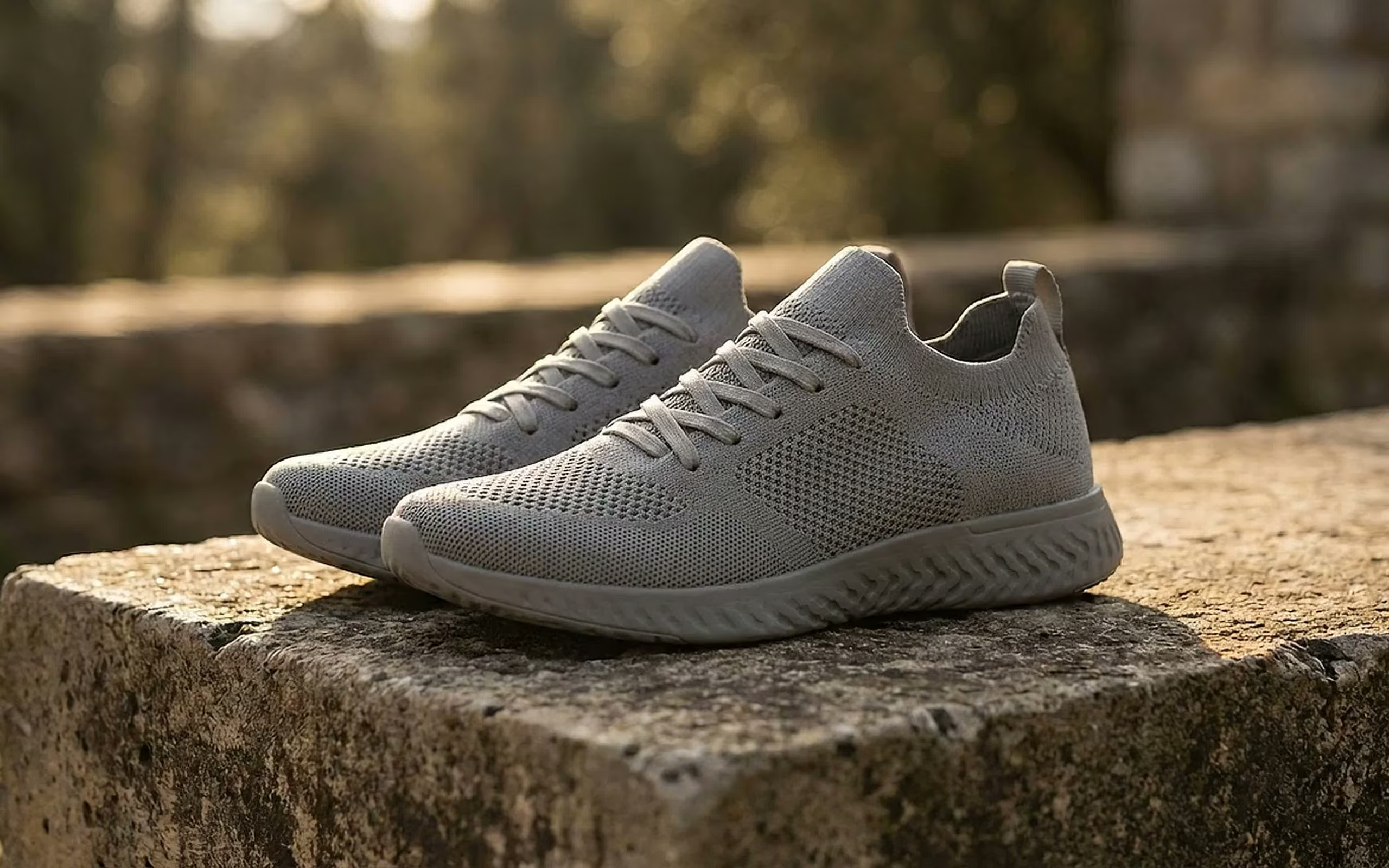
The upper is the part you see — knit, leather, or canvas, stretched over a last to hold the shape of a foot. Its job is fit and breathability, and it's the layer most likely to vary between 'running' and 'lifestyle' listings, because a shoe you wear for six miles needs to move differently than one you wear to sit at a desk.
“The outsole is the only layer that ever touches the ground, and the one most people never think about.”
The midsole is the part doing the actual cushioning — usually a dual-density foam, firmer where you land, softer where you push off. This is where 'responsive' versus 'firm' comes from, and it's the layer most correlated with how a shoe feels after an hour, not just in the first thirty seconds.
The outsole is the only layer that ever touches the ground, and the one most people never think about — until they're on a wet surface with the wrong lug pattern underfoot. Directional grip for trail, flatter high-density rubber for road and city wear.
None of this is marketing language. It's the actual reason the construction panels exist on every product page — so 'materials' means something more specific than a checkbox.